Multigenerational Family Holidays in Cornwall: How to Plan the Perfect Stay

Multigenerational Family Holidays in Cornwall: How to Plan the Perfect Stay
Some of the best family holidays are the ones that bring several generations together, but they also need a little more thought.
When grandparents, parents, children and sometimes the dog are all sharing the same Cornish break, the perfect day rarely looks identical for everyone. One person wants an early walk. Someone else would happily spend the morning on the beach. The teenagers want a little independence, the youngest need somewhere easy to play, and nobody wants to queue for the bathroom before dinner.
Cornwall works particularly well for multigenerational holidays because there is so much variety within relatively small areas. Beaches, gardens, harbour towns, attractions, coast walks and excellent places to eat can all sit within the same trip, while the right holiday home gives everyone space to come back together afterwards.
From choosing where to stay to planning days that work across the generations, here are the things we think make the biggest difference.

1. Start with how your family actually holidays
Before choosing a destination or a property, think about what everybody needs from the break.
A multigenerational holiday works best when it does not rely on the whole group wanting to do the same thing at the same time. Grandparents may prefer a gentler morning. Younger children might need a nap or an early dinner. Teenagers often appreciate a little freedom, while keen walkers or surfers may want to disappear for a few hours before everyone meets again later.
That is why Cornwall suits larger family groups so well. Stay somewhere with a beach, town, coast path or good places to eat nearby and it becomes much easier for the group to split naturally without turning every outing into a logistical exercise.
The goal is not to create the perfect itinerary. It is to choose a setting that gives everyone options.
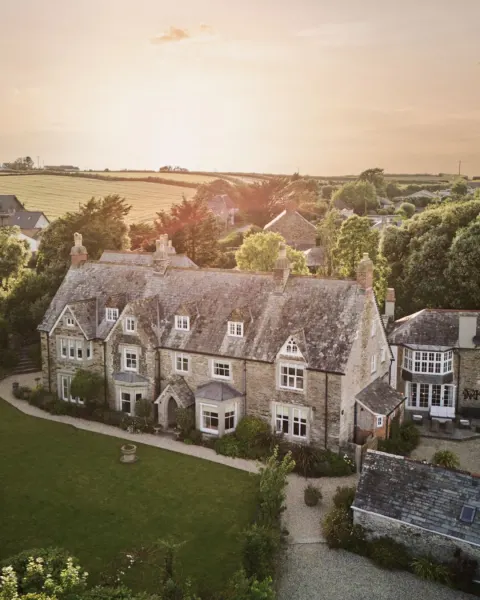
2. Choose a home that gives everyone enough space
The holiday home matters even more when several generations are travelling together.
Look beyond the number of bedrooms and think about how the house will work from morning to night. More than one living space can be invaluable. So can enough bathrooms, a generous kitchen and dining area, outdoor space and parking that does not require a daily game of musical cars.
Bedroom layout matters too. Ground-floor bedrooms can make a stay easier for older relatives or anyone who prefers fewer stairs, while ensuites give different parts of the family a little more independence. If accessibility is important, do not assume a ground-floor bedroom tells the whole story. Check entrances, internal steps, bathroom layouts, gradients and the route from the parking area, and speak to our Guest Experience team if you need more detail.
Explore our Family Homes and Large Homes for stays with space to gather and space to retreat.
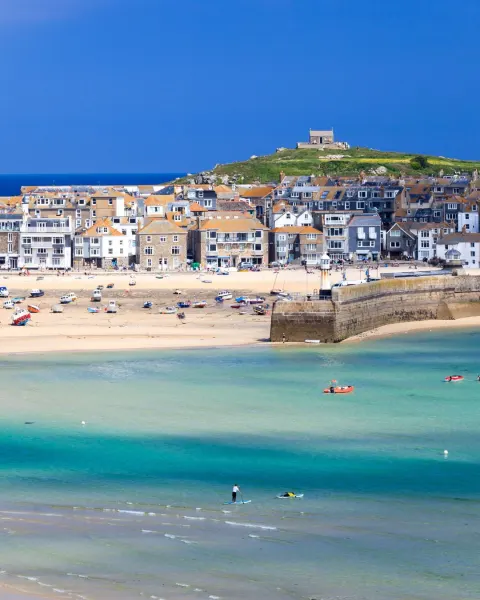
3. Pick an area that gives you choices
For a multigenerational break, location is often less about finding one perfect attraction and more about having several different kinds of day within easy reach.
St Ives combines beaches, galleries, shops and places to eat, which makes it easy for the group to divide and meet again later. Newquay gives families even more choice, with several beaches, surf, coastal walks, cafés and plenty to do when younger and older generations want different things from the day.
Further along the north coast, Perranporth and St Agnes are particularly good if beach time and walking are high on the list. Perranporth has a vast sweep of sand and an easy-going centre close to the beach, while St Agnes brings village life, dramatic coast paths and smaller coves within easy reach.
Falmouth has a similarly useful mix of harbour life, beaches, gardens and indoor attractions. Padstow and Wadebridge work well for families who like food, cycling and estuary walks, while Penzance, Mousehole and Marazion put beaches, galleries, gardens and west Cornwall day trips within relatively easy reach.
If the family would rather have space and countryside on the doorstep, a rural base can work beautifully too, particularly when you are happy to drive a little further for the day's adventures.

4. Plan days with something for every generation
The easiest family days usually have more than one reason to go.
The Eden Project works well because there is plenty to explore without everybody needing to move at the same pace. The Lost Gardens of Heligan can combine gardens, woodland and open space, while places such as Tate St Ives are easy to fold into a wider day beside the sea.
Some destinations make this especially easy. In Newquay, one part of the family can head for the beach or a surf lesson while others explore the town or take a gentler coastal walk. Around St Agnes and Perranporth, beach time can sit alongside coast-path walks, village stops and a relaxed lunch without needing to spend the day in the car.
Heritage properties, gardens, wildlife attractions and shorter coast walks can all work well when ages and energy levels vary. A boat trip can be memorable too when conditions and seasonal timetables allow.
The trick is to avoid planning every hour. Choose one main thing, build in somewhere good for lunch and leave enough room for the day to change shape.

5. Let the beach work for everyone
A beach day does not have to mean six hours on a towel.
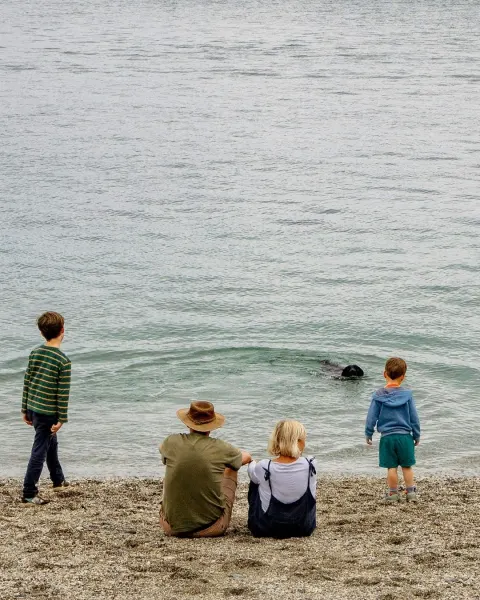
For one part of the family it might mean surfing or bodyboarding. For someone else, it is a walk along the sand, coffee overlooking the water or an hour with the grandchildren before heading back to the house.
Perranporth works particularly well for bigger family groups because the beach is vast and the town is close at hand. Nearby St Agnes gives you a different kind of beach day, with smaller coves, dramatic coastal scenery and plenty of walking. Around Newquay, beaches such as Fistral give surfers room to play while cafés, walks and the town itself provide easy alternatives for anyone who does not want to spend all day on the sand.
Further west, Gwithian and Sennen also give larger groups room to spread out, while places with a town or village close by make it easier for people to come and go independently.
Tides, lifeguard cover and sea conditions change throughout the year, so check before heading out. With younger children in particular, a sheltered cove or a short walk from the car can sometimes be more valuable than finding the most dramatic beach in Cornwall.

6. Make food part of the day
Few things bring a multigenerational group back together quite as reliably as food.
Plan a long lunch after a morning out, stop at a farm shop on the way home or choose a Gem with a kitchen that makes cooking together feel like part of the holiday rather than a chore.
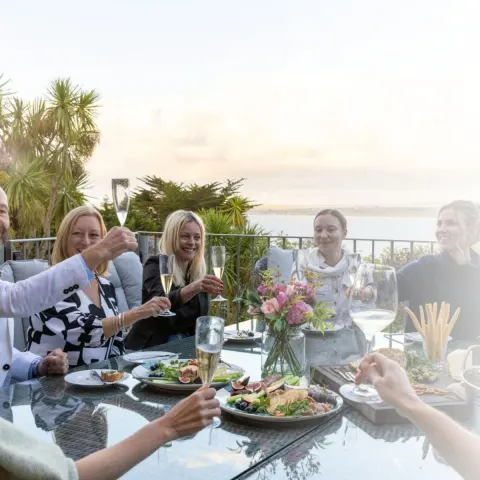
Cornwall gives you plenty of flexibility, from relaxed beach cafés and pubs to seafood restaurants and destination dining. If organising a table for a large group feels like more work than fun, an evening at home can be just as special. Pick up local produce, order something in or arrange a private chef and let everybody settle around the table without needing to go anywhere afterwards.
For larger groups, booking ahead is always worth it, particularly during school holidays and weekends.

7. Give everyone permission to do their own thing
One of the best parts of a multigenerational holiday is having everyone together. That does not mean everyone needs to stay together all day.
A morning can easily split into a coast walk, a slower café start and a beach trip before everyone meets for lunch. One afternoon might see the grandparents head to a garden while the younger group goes surfing. Back at the house, separate living areas can make the same principle work indoors too.
Building that freedom into the holiday usually makes the time you do spend together feel better. Nobody is being dragged through somebody else's perfect day, and there is suddenly more to talk about around the table that evening.

8. Think about the practical details before you book
A little planning before arrival can make a big difference once several generations are under one roof.
For babies and toddlers, think about stair gates, travel cots, highchairs, blackout options and how easy it is to get from the car to the house with everything they seem to require. For older relatives, look at stairs, showers, walking distances, parking and how far the nearest shops or places to eat are.
Teenagers often value Wi-Fi, their own bedroom space and somewhere they can reach without relying on a parent for every journey. And if the dog is coming too, check garden security, local walks and seasonal beach restrictions before you travel.
Our property pages include detailed facilities and accessibility information, and our Guest Experience team can help you sense-check a home against the needs of your group before you book.
9. Choose the time of year that suits your family
The best time for a multigenerational holiday depends on who is travelling.
School holidays make sense when children and teenagers are part of the group, with the widest choice of family attractions and long days for the beach. If you can travel outside those dates, May, June and September can be particularly lovely, with plenty happening but a little more breathing room.
Autumn and winter suit families who care more about walking, food and time together than spending every day on the beach. They can also work beautifully for milestone birthdays and celebrations when the house itself is a big part of the reason for coming.
Start with the people, not the season. Once you know what everyone wants from the break, the right time of year usually becomes much easier to see.
Find the right kind of stay for your family



Where to stay for a multigenerational holiday in Cornwall
Different parts of Cornwall suit different family dynamics.
Newquay is one of the easiest bases when you want plenty of choice close together, with several beaches, surf, coastal walks, places to eat and enough variety for different generations to peel off and do their own thing. Perranporth and St Agnes suit families who want the coast to be central to the holiday, pairing big beach days with village life, walks and easy access to the north coast.
St Ives is another easy choice when you want beaches, food, galleries and shops close together. Around Padstow and Wadebridge, the Camel Estuary, Camel Trail and food scene give different generations plenty of ways to spend the day.
Falmouth and the Helford work well for families who want beaches, gardens, harbour life and easier options when the weather changes. Further west, Penzance, Mousehole and Marazion put you within reach of Mount's Bay, west Cornwall beaches, gardens and some of the county's most memorable coastal scenery.
For a more rural stay, look inland or towards quieter parts of the south coast, where a large garden and generous living space can matter more than being able to walk into town.
There is no single best part of Cornwall for a multigenerational family. The best base is the one that reduces the compromises for your particular group.

Plan your family time in Cornwall
The best multigenerational holidays leave room for different ages, different interests and different paces, while still creating plenty of reasons to come back together.
Our handpicked family homes range from coastal stays close to the beach to spacious countryside retreats made for long lunches, garden time and slower days together.
Explore our family-friendly holiday homes in Cornwall and find a Gem with the space, setting and layout to work for the whole family.